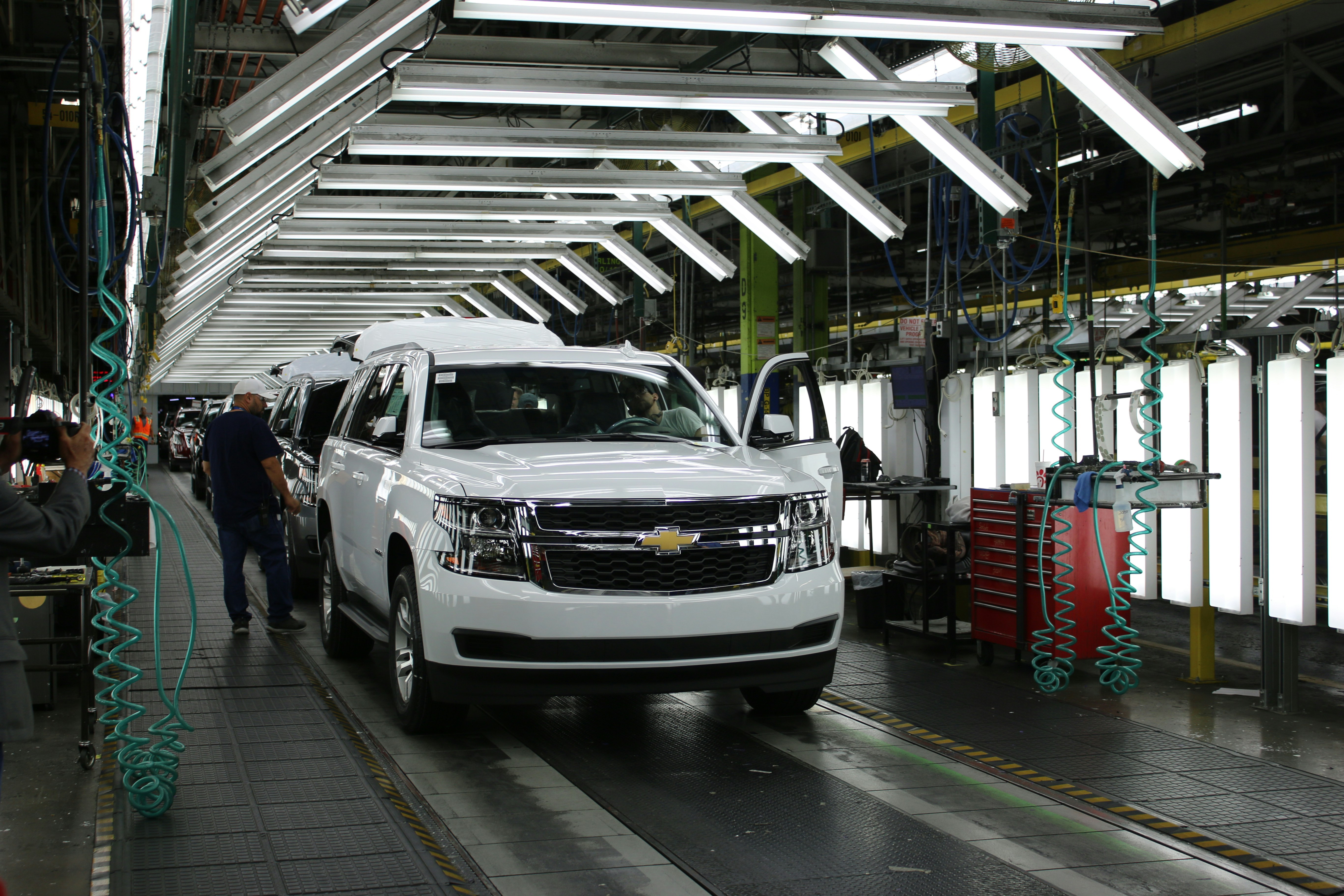
Introduction to the Automaker’s Financial Struggles
Recent financial reports have underscored the challenges faced by the automaker, highlighting a notable decline in profits during the latest quarter. This downturn is significant not only for the company itself but also for stakeholders across the automotive industry. Analysts have scrutinized the figures, revealing a stark contrast to previous performance metrics and raising questions about the broader economic climate affecting automotive sales.
The profit decline can be attributed to a combination of factors that paint a concerning picture for the automaker. One of the primary contributors is the ongoing economic uncertainty that has resulted in shifting consumer behaviors. With rising inflation rates and fluctuating fuel prices, potential buyers are becoming more cautious, leading to reduced demand for new vehicles. Consequently, the automaker has found it increasingly difficult to maintain its previous sales levels, impacting overall revenue generation.
In addition to economic pressures, industry challenges such as supply chain disruptions have posed significant hurdles. The global semiconductor shortage has particularly hampered production capabilities, leading to delays in model releases and limiting the variety of vehicles available to consumers. This situation has not only led to increased operational costs but has also strained the automaker’s ability to meet market demand effectively.
Furthermore, evolving regulations and a growing focus on sustainability have compelled the automaker to invest heavily in research and development for electric vehicles and alternative fuel technologies. While these initiatives are essential for long-term competitiveness, they also contribute to short-term financial strain. The interplay of these factors has culminated in a difficult quarter for the automaker, prompting a thorough examination of its current strategies and future directions in a rapidly changing landscape.
Economic Factors Impacting the Automotive Industry
The automotive industry operates within a complex economic landscape that significantly influences its performance. Recent months have seen a host of economic challenges, particularly inflation, rising interest rates, and disruptions within supply chains, all of which have contributed to a decline in profitability for many automakers. Inflation has been a primary concern, as soaring prices on raw materials and components have directly impacted production costs. As manufacturers face higher expenses, they often pass these costs onto consumers, which can lead to decreased demand for vehicles.
Interest rates have also played a critical role in shaping consumer buying behavior. As central banks respond to inflationary pressures by increasing interest rates, the cost of financing a vehicle purchase rises. Higher loan rates discourage potential buyers from making purchases, leading to slower sales for automakers. This decline in demand not only affects immediate revenue but can also complicate long-term strategic planning and investment for companies looking to innovate and expand their offerings.
Moreover, supply chain disruptions resulting from geopolitical tensions and the lingering effects of the COVID-19 pandemic have exacerbated the challenges faced by the automotive sector. With critical components like semiconductors in short supply, production schedules have been thrown into disarray, causing delays and reduced output. These disruptions hinder manufacturers’ ability to meet consumer demand, further undermining sales figures and financial performance. As companies navigate this turbulent environment, they must adapt to these economic realities while developing strategies that can help mitigate potential risks associated with these ongoing challenges.
Supply Chain Disruptions and Their Consequences
The automotive industry has been significantly impacted by supply chain disruptions, particularly in recent quarters. One of the most critical challenges has been the shortage of semiconductors, which are essential for a wide range of vehicle functionalities, from engine management systems to advanced driver assistance features. This shortage has not only hampered the production capabilities of automakers but has also led to extended lead times for consumers eager to purchase new vehicles.
In addition to semiconductor shortages, the availability of raw materials has also become a pressing concern. The pandemic, geopolitical tensions, and other market dynamics have contributed to the scarcity of vital components such as steel, aluminum, and lithium. These shortages have affected the entire supply chain, limiting the ability of automakers to manufacture vehicles at their usual capacity. As a result, many manufacturers have had to reduce output, leading to a backlog of orders and a failure to meet consumer demand.
The ripple effect of these supply chain disruptions can be observed not only in production levels but also in pricing strategies and overall market competitiveness. With a constrained supply of vehicles, automakers are often compelled to raise prices, further exacerbating the situation for consumers. Furthermore, as competitors struggle with similar issues, the race to secure limited resources becomes increasingly intense, prompting companies to forge new partnerships and redefine supply chain strategies to mitigate risks associated with future disruptions.
Ultimately, addressing these supply chain challenges requires a multifaceted approach involving investment in alternative suppliers, advanced forecasting techniques, and strategic inventory management. For automakers, adapting to these changes is crucial for maintaining their market position and ensuring they can effectively meet the evolving demands of consumers in this volatile environment.
Shifts in Consumer Demand and Preferences
The automotive industry is currently experiencing a significant transformation driven by shifting consumer preferences and demands. Increasingly, consumers are gravitating towards electric vehicles (EVs) and sustainable automotive options, spearheaded by a growing awareness of environmental issues and the desire for greener transportation solutions. This change is not merely a trend; it’s indicative of a broader societal movement toward sustainability and energy efficiency. Consequently, traditional automakers, often operating with established gas-powered models, may find themselves at a disadvantage if they do not adapt to these evolving consumer expectations.
This shift towards electric vehicles can be largely attributed to advancements in technology and infrastructure, as well as government incentives promoting cleaner transportation. Consumers are now more informed about the benefits of EVs, such as lower operating costs, reduced emissions, and eligibility for various tax credits. Many potential buyers are reassessing their vehicle choices and prioritizing manufacturers who design and produce sustainable alternatives. Failure to swiftly pivot to this market demand can lead to a decline in sales, ultimately impacting profitability.
In light of these developments, automakers must recognize the importance of aligning their production strategies and marketing efforts with emerging consumer trends. The ability to respond effectively to these shifts in consumer demands not only enhances a brand’s relevance but is vital for sustaining economic viability in a rapidly evolving automotive landscape.
Competitive Challenges in the Automotive Market
The automotive market is witnessing unprecedented competitive challenges as both established automakers and new entrants vie for market share. One of the most significant factors contributing to this pressure is the rapid growth of the electric vehicle (EV) sector. Traditional automotive giants, accustomed to producing internal combustion engine vehicles, are now faced with the urgent need to adapt to an evolving landscape where consumer preferences are shifting towards sustainable and environmentally friendly options. This shift is not just a trend but a fundamental change in consumer behavior, prompting established players to heavily invest in R&D to innovate and expand their EV offerings.
New entrants, particularly startups focused on electric mobility, are further complicating the competitive environment. These companies often operate with more agility and are unencumbered by legacy systems and production processes. As a result, they are capable of launching innovative products and services that meet contemporary consumer demands more quickly than their more established counterparts. The entry of these players has significantly intensified competition, pushing traditional automakers to optimize their operational efficiencies and re-evaluate their strategic approaches to market penetration.
Moreover, the competitive landscape is not limited to product offerings; it encompasses various aspects such as pricing strategies, technology enhancements, and customer service. The automation of manufacturing processes and the integration of advanced technology in vehicles are critical areas where automakers must excel to remain relevant. Failure to keep pace with competitors in these domains could lead to a decline in market share and profitability. The automotive industry is, therefore, at a pivotal juncture, necessitating a heightened focus on innovation and consumer engagement to successfully navigate these increasing competitive challenges.
Financial Metrics and Performance Analysis
The recent quarter has marked a significant downturn for the automaker, which has been reflected in various financial metrics. During this period, the company reported a notable revenue of $X million, showcasing a Y% decrease compared to the previous quarter. This decline is indicative of the broader economic pressures affecting consumer demand, which has resulted in less vehicle sales and, consequently, diminished revenue streams. Understanding these financial shifts is crucial for stakeholders as they can signal the company’s potential trajectory.
Profit margins have also seen a considerable contraction, slipping to Z%. This figure is markedly lower than the average profit margin of A% over the past five years. Such a decrease raises concerns about the company’s pricing strategy and cost control measures. Notably, the rising cost of raw materials and production challenges have further exacerbated this situation, leading to reduced profitability. An analysis of the cost structures reveals that costs associated with manufacturing and supply chain logistics have escalated. These issues highlight the importance of efficient operational management, especially in a competitive market where margins are already thin.
When assessing the company’s financial health, it is critical to compare these metrics with past performance. For instance, revenue and profit margins from the same quarter last year were significantly higher, suggesting a troubling downward trend. In light of these developments, it is vital for the automaker to undertake strategic initiatives aimed at stabilizing its financial position. Stakeholders should closely monitor future quarterly reports to evaluate the effectiveness of such measures and their potential impact on the overall valuation of the company.
Future Outlook: Strategies for Recovery
As the automaker navigates through this challenging quarter marked by a notable decline in profits, it is essential to formulate a strategic roadmap for recovery. One critical strategy involves enhancing innovation capabilities, which can be achieved by investing in research and development (R&D). By focusing on cutting-edge technologies, such as electric vehicles (EVs) and autonomous driving features, the company can better align with the evolving demands of consumers. This forward-looking approach not only positions the automaker as a leader in sustainable transportation but also attracts environmentally-conscious consumers.
In addition to innovation, implementing cost-cutting measures can significantly bolster the automaker’s profitability. A thorough review of operational expenditures, supply chain efficiencies, and manufacturing processes should be undertaken to identify areas where savings can be realized. Streamlining processes, consolidating suppliers, and investing in automation technology can lead to significant reductions in production costs, ensuring that the company operates more efficiently in a competitive marketplace.
Furthermore, enhancing focus on consumer trends is imperative for the recovery strategy. Conducting market research to better understand customer preferences and buying behavior can inform product development and marketing strategies. For instance, offering flexible financing options, customizable vehicles, or subscription services may cater to a broader range of consumers. By prioritizing customer engagement through feedback and adaptation, the automaker can ensure that its product offerings remain relevant and appealing.
Finally, sustaining profitability will require a long-term perspective that emphasizes resilience and adaptability. By integrating these strategies—innovation in product development, rigorous cost management, and a keen understanding of consumer needs—the automaker can work towards regaining its market position and restoring profitability. This multifaceted approach fosters not only immediate recovery but also long-term growth prospects in an ever-changing industry landscape.
Lessons Learned from the Tough Quarter
The recent challenges faced by the automaker during this quarter serve as a potent reminder of the importance of adaptability in an ever-evolving industry. In a market characterized by rapid technological advancements and shifting consumer preferences, companies must remain flexible in their strategies. This responsiveness not only mitigates risks associated with unforeseen market conditions but also positions the automaker to capitalize on new opportunities as they arise. Historical data suggests that firms exhibiting agility are more likely to maintain competitive advantages in turbulent times.
Furthermore, gaining deep consumer insights is pivotal for navigating such challenges. Automakers must prioritize understanding the evolving needs and expectations of their consumers. Engaging directly with customers through surveys, focus groups, and social media can yield invaluable data that informs product development and marketing strategies. For instance, the rising demand for electric vehicles (EVs) showcases consumers’ shift toward sustainability. By aligning product offerings with these insights, the automaker can bolster its market position and foster brand loyalty among environmentally conscious buyers.
Proactive risk management strategies also emerge as a critical lesson from this tumultuous quarter. Identifying potential risks early can significantly minimize their impact on overall operations and profitability. Automakers can enhance their risk frameworks through comprehensive scenario planning and robust supply chain management. By anticipating potential challenges such as supply shortages or regulatory changes, organizations can develop contingency plans that ensure ongoing operational stability. Implementing these risk management techniques not only safeguards against immediate threats but also lays a strong foundation for long-term growth.
In summary, the lessons learned from this quarter underscore the necessity for automakers to adapt, understand consumer dynamics, and proactively manage risks. These approaches are essential for sustaining success and growth in a competitive marketplace.
Conclusion: Reflections on the Automaker’s Journey
In reflecting on the recent developments surrounding the automaker’s profit decline, several key points emerge that encapsulate the complexities of the current automotive landscape. The quarter has demonstrated that the industry is undergoing significant transformation, driven by both external market pressures and internal operational challenges. The automaker has faced intensified competition, fluctuating consumer demands, and evolving governmental regulations, all of which have contributed to the overall financial downturn.
Additionally, the automaker’s struggle emphasizes the importance of understanding the interplay between various factors influencing profitability. From rising production costs linked to supply chain disruptions to a shift towards electric vehicles, each element has played a pivotal role in shaping the company’s financial results. It is crucial for automakers to adapt to these changes proactively. This adaptability can be achieved through strategic planning and investment in innovation, which can better position them for future resilience.
The analysis of this quarter’s financial performance serves as a reminder of the necessity for a robust strategic framework, one that encompasses an acute awareness of both current trends and the potential for future developments. As the automaker navigates through this period of downturn, it becomes evident that employing strategic foresight will be imperative in addressing the evolving market dynamics. Stakeholders must be engaged, and operational efficiencies must be enhanced, ensuring sustainable practices that align with consumer expectations.
Ultimately, while this quarter reflects a challenging chapter in the automaker’s journey, it also presents opportunities for growth and renewal. Recognizing the significance of both internal and external challenges will be vital for fostering long-term success in an industry poised for significant change.